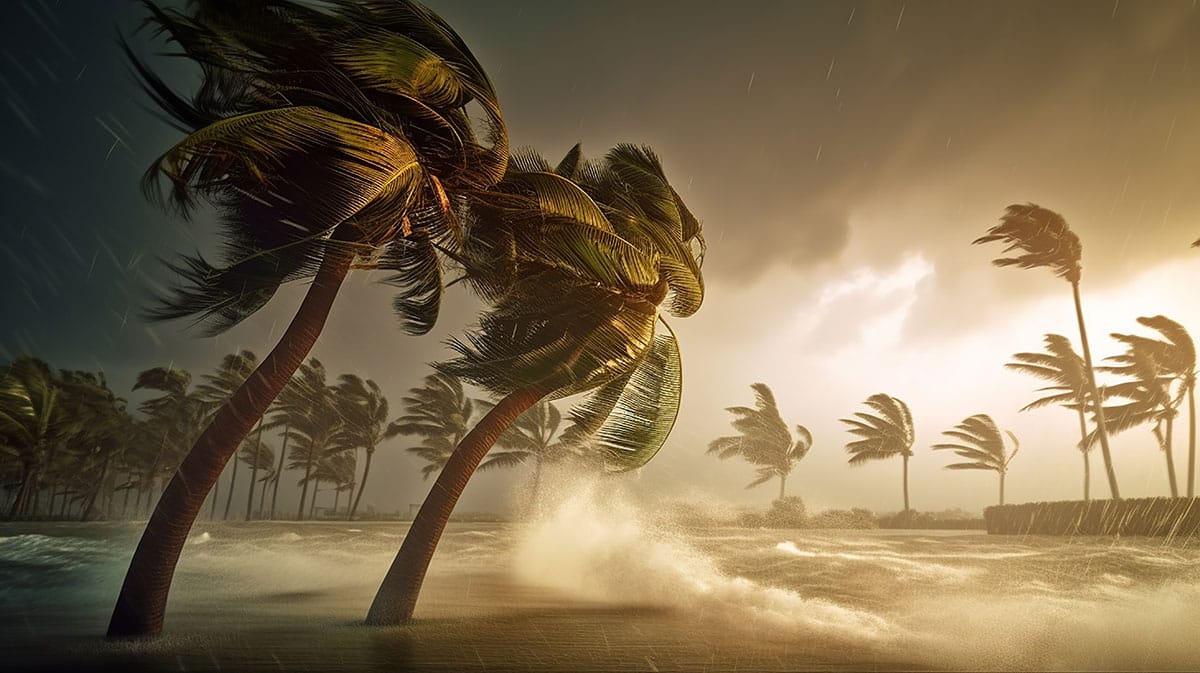
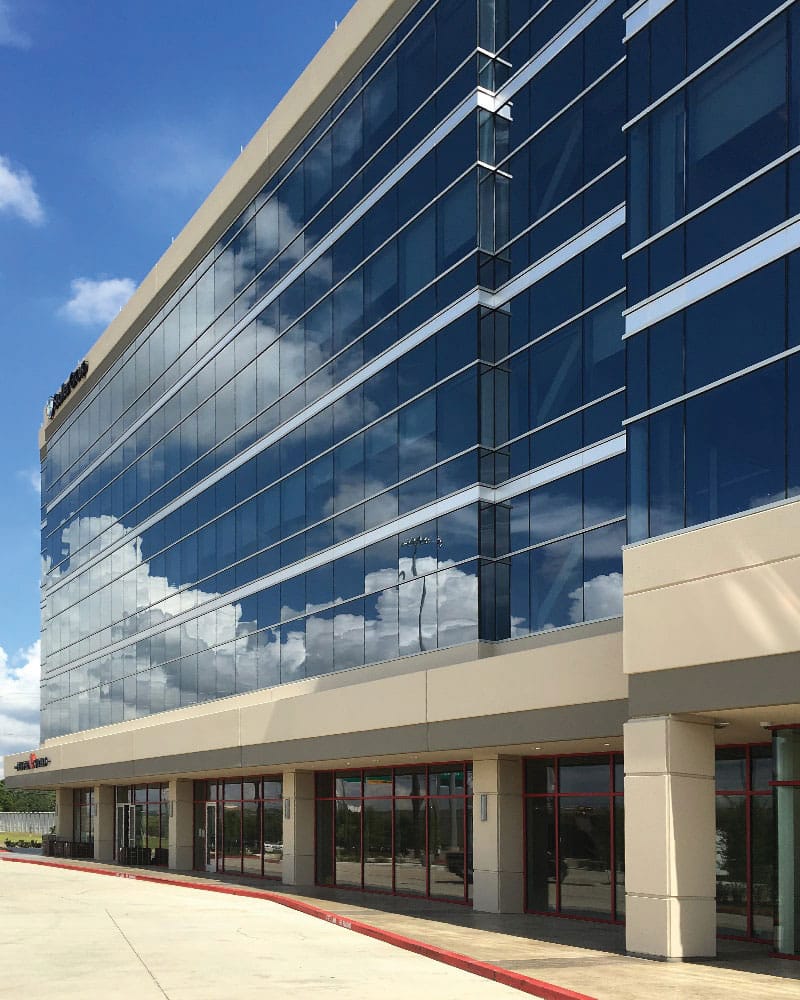
Severe weather is a fact of life for buildings. High winds, heavy rain, snow, and long stretches of heat all take a toll on exterior systems. Architects and contractors need materials that can handle these conditions, meet code, and hold up over time without costly callbacks.
That is the core of extreme weather architecture. Every project requires weighing durability, maintenance, compliance, appearance, and cost. If the wrong product is chosen, failures and repairs follow. When the right systems are in place, owners avoid surprises and the project team protects its reputation.
Americlad makes those choices easier by offering U.S.-made wall panels, louvers, roof screens, and custom brake metal designed for long-term performance in demanding environments. Learn more at Americlad.
Table of Contents
- How Does Extreme Weather Impact Material Performance and Longevity?
- What Role Do Codes and Compliance Play in Design Decisions?
- How Do Architects Balance Aesthetics with Durability?
- How Do Cost Pressures Influence Extreme Weather Planning?
- What Are the Risks of Failure and Liability in Extreme Weather Projects?
- Design for Durability with Americlad
- Frequently Asked Questions
How Does Extreme Weather Impact Material Performance and Longevity?
Every region has its own weather challenges. In northern states, panels and joints go through freeze and thaw cycles that can break down sealants and finishes. On the coast, salt spray speeds up corrosion on metals that are not properly protected. In hot, dry areas, UV exposure can bleach coatings and cause them to chalk. Heavy rain and high winds test seams and fastening systems year after year.
If materials are not chosen with these conditions in mind, performance drops quickly. Owners face maintenance costs that climb higher than expected, and architects or contractors may be called back to resolve issues that could have been avoided with better specifications.
Extreme Weather Architecture Insight
The real measure of exterior materials is how they perform under stress, which is why standardized testing and field results matter so much to architects and contractors. These tools reveal not just how products look on day one, but how they stand up after years of exposure.
- ASTM B117 uses a salt spray chamber to measure corrosion resistance, a key concern for coastal projects and regions that rely on de-icing salts in winter.
- ASTM G155 exposes finishes to cycles of UV light to evaluate color retention and surface breakdown, offering a preview of how panels will age in sunny climates.
- Field exposure provides the most practical insights. Buildings on Florida’s coast, in snowy Minnesota, and in the dry heat of Arizona show how materials respond to different environments over time.
Together, these results give design teams a clearer picture of long-term durability and reduce the risk of choosing a system that will not hold up. Americlad supports this need with wall panels, louvers, and roof screens finished in Kynar PVDF, anodized aluminum, and durable powder coatings. Proven through both lab testing and real-world installations, these finishes resist fading, chalking, and corrosion.
What Role Do Codes and Compliance Play in Design Decisions?
Codes shape almost every choice in exterior design. Many were strengthened after major hurricanes, wildfires, and earthquakes revealed weaknesses in older systems. For architects, overlooking a requirement can trigger redesigns or permit setbacks. For contractors, it often means change orders or rework in the field. Both carry cost and schedule risk.
Several standards carry particular weight in projects exposed to extreme weather:
- ASTM E330 measures how panels and attachments perform under wind pressure, which is critical in hurricane and tornado regions.
- Miami-Dade NOA (Notice of Acceptance) is one of the toughest approvals in the U.S. and is often required in Florida and other coastal areas.
- NFPA fire standards confirm that cladding and wall assemblies will not contribute to flame spread, an issue gaining more attention in fire-prone regions.
These requirements do more than clear inspections. They affect liability, insurance, and how owners see the long-term durability of a project. Americlad designs its wall panels, louvers, and roof screens to meet these standards, with testing and documentation that help reviews move forward and reduce the chance of costly changes once construction begins.
How Do Architects Balance Aesthetics with Durability?
Owners want buildings that make an impression, but architects know the exterior has to do more than look good. Panels and systems need to hold their shape, resist water and wind, and keep a consistent finish even after years of sun and temperature swings. If the system cannot balance both, the design may look great on day one but struggle to perform over time.
Americlad systems show how performance and appearance can work together:
- Insulated Glaze-In Panels can be used in curtain walls or spandrels to provide the look of glass while improving thermal performance. They offer visual consistency across the façade while adding insulation value.
- Honeycomb Panel Systems deliver very flat, rigid surfaces that resist deflection. This makes them effective on larger spans or areas exposed to strong winds where traditional panels might bow or oil-can.
- Flatlock Panel Systems create a clean, modern appearance with concealed fasteners. The interlocking design helps panels resist wind uplift and water intrusion while maintaining a sharp, uniform look.
Each of these options supports design intent while addressing the physical stresses of exterior performance.
How Do Cost Pressures Influence Extreme Weather Planning?
Budgets often drive decisions, and owners tend to focus on the lowest upfront cost. In extreme weather architecture, that approach can create problems later. A cheaper panel system may look similar at installation but can bring higher costs in maintenance, repairs, and insurance over time.
- Lower-grade finishes can fade or chalk quickly, leading to repainting or early replacement.
- Systems not engineered for wind or moisture may fail during storms, causing damage and liability.
- Materials that require frequent upkeep increase operating costs for owners and frustration for tenants.
While higher-performing systems can cost more at the start, they extend service life, cut maintenance, and reduce the risk of storm-related claims. Over the life of the building, those savings often outweigh the initial price difference.
What Are the Risks of Failure and Liability in Extreme Weather Projects?
When cladding or exterior systems fail during severe weather, the consequences reach far beyond the cost of repairs. Architects and contractors may face financial, legal, and reputational fallout. In areas exposed to hurricanes, tornadoes, or coastal storms, the risks are especially high.
Some of the main concerns include:
- Structural damage: Panel blow-offs or water intrusion can compromise the integrity of the building, requiring expensive repairs.
- Legal exposure: Owners or tenants may pursue lawsuits if failures can be linked to poor material selection or installation.
- Insurance complications: Claims after a failure can lead to higher premiums or stricter policy requirements on future projects.
- Reputation loss: Visible failures on a completed building can damage the credibility of both architects and contractors, making it harder to secure future work.
- Project delays: If systems fail during construction, schedules are disrupted and budgets escalate quickly.
Americlad helps reduce these risks by providing wall panels, louvers, and roof screens that are tested to perform in demanding conditions. With documented results and proven durability, these systems give project teams a stronger level of assurance that their designs will hold up when severe weather strikes.
Design for Durability with Americlad
In extreme weather architecture, materials have to do more than look good. They need to keep working through years of wind, rain, heat, and snow. When the right systems are specified, owners spend less on repairs, and project teams avoid being called back to fix problems after the job is done.
Americlad supplies products with that in mind:
- Metal wall panels that combine strength with a range of design options
- Louvers that manage airflow while holding up to rough weather
- Roof screens that protect rooftop equipment in exposed locations
- Custom brake metal that delivers precise, durable details
These systems are tested, documented, and proven on projects across the country. Built for strength and reliability, they keep buildings performing when the weather is at its worst. Explore Americlad Products today and choose the systems that fit your next project.
Frequently Asked Questions
What makes Americlad systems suited for extreme weather projects?
Americlad systems are engineered with finishes and assemblies tested for wind, moisture, UV, and corrosion resistance. This ensures long-term performance even in the most demanding climates.
How do Americlad’s architectural products perform under high winds, heavy snow, or intense heat?
They are tested to resist wind uplift, snow loads, and prolonged sun exposure. High-performance finishes help prevent fading, chalking, and surface breakdown over time.
Which Americlad products are best suited for architects designing in extreme climates?
Insulated glaze-in panels, honeycomb systems, and flatlock panels are strong options for weather-prone projects. Each balances design flexibility with proven durability.